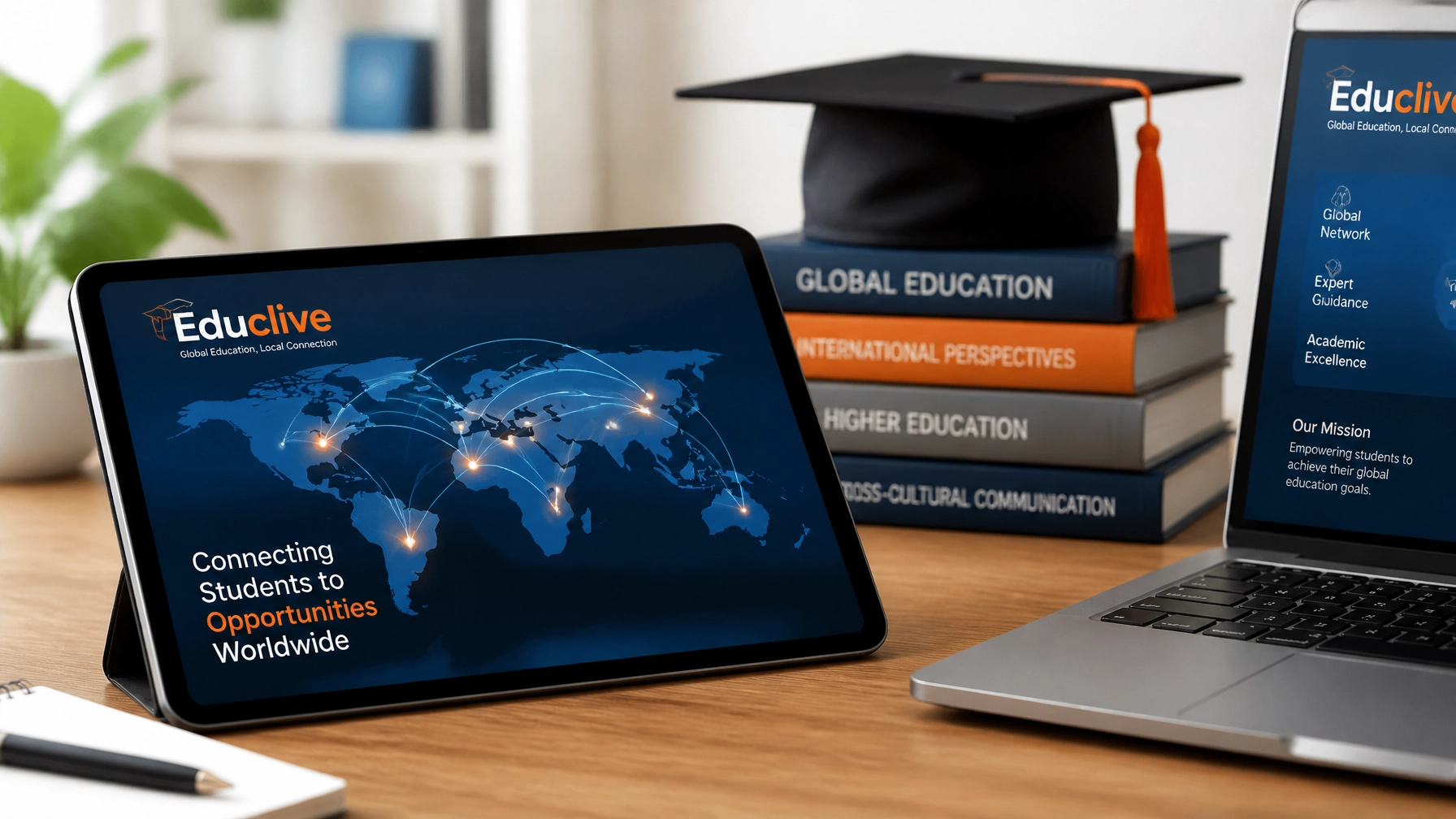
The Proven International Student Placement Framework: Succeeding with the Global Academic Success Series – Evening Edition
Across the African continent, from the bustling cities of Lagos and Nairobi to the growing academic hubs of Accra and Johannesburg, parents and students are increasingly seeking elite pathways to global education. The shift toward digital transformation has opened unprecedented doors for African scholars to bypass traditional geographic limitations and secure admissions into the world’s most prestigious institutions.
Central to this transformation is the International student placement framework, a structured, systematic approach designed to bridge the gap between African secondary education and elite global universities. This framework provides a comprehensive roadmap for students to transition from local curricula to a recognized U.S. High School Diploma, ensuring they are competitive on a global stage. By utilizing a 100% online delivery model, the International student placement framework eliminates the need for physical relocation during the preparatory phase, offering a premium and exclusive academic experience.
In this guide, we examine the technical mechanics of the International student placement framework and how it empowers African students to achieve academic excellence through virtual global mobility.
Defining the International Student Placement Framework for African Scholars
An International student placement framework is a specialized pedagogical and administrative structure that aligns a student's prior academic achievements with international standards to facilitate university admission. It serves as a blueprint for identifying the most efficient path to higher education, prioritizing academic rigor and strategic positioning.
For many students across Africa, the journey to an Ivy League or top-tier global university is often hindered by the lack of direct curriculum alignment. The International student placement framework addresses this by integrating the U.S. High School Diploma as a universal academic bridge. This bridge allows students to demonstrate their capabilities within a system that global admissions officers already trust and value.
The core components of a successful International student placement framework include:
- Strategic Curriculum Mapping: Aligning current student progress with U.S. accreditation requirements.
- Virtual Global Mobility: Utilizing digital platforms to access world-class resources without the constraints of physical infrastructure.
- Direct University Pathways: Establishing clear routes to undergraduate programs, bypassing the need for redundant foundation years.
- Comprehensive Academic Advising: Providing professional guidance on applications, essays, and global scholarship opportunities.
By adhering to the International student placement framework, students ensure that every credit earned is a step toward a verified global credential.

The U.S. High School Diploma as a Universal Academic Bridge
The U.S. High School Diploma is defined as a secondary school leaving credential that signifies the completion of a standardized four-year course of study in the United States. Within the International student placement framework, this diploma is positioned as a premium upgrade for students who have completed various African secondary exit exams, such as the WAEC, KCSE, or IGCSE.
One of the most significant advantages of this diploma is its role in "visa-proofing" a student's academic profile. When a student graduates with a U.S.-accredited diploma, they demonstrate a high level of readiness for the American higher education system. This academic consistency is a critical factor during the visa application process, as it provides clear evidence of the student's intent and ability to succeed in an international setting.
Furthermore, the International student placement framework emphasizes that this journey is entirely digital. The 100% online nature of the program allows students from any part of Africa to earn their diploma from a U.S.-based curriculum while maintaining their local commitments. This flexibility is the core USP of the modern academic transformation, ensuring that quality education is no longer dependent on a physical location.
Optimizing the Transfer Credit Evaluation Process
Transfer credit evaluation is the formal process of assessing academic credits earned at one institution to determine their equivalence at another. In the context of the International student placement framework, this process is vital for students who wish to transition from an African secondary school to a U.S. High School Diploma program without starting from the beginning.
The International student placement framework utilizes sophisticated transfer credit evaluation techniques to recognize the hard work students have already completed in their local schools. This ensures that students receive maximum credit for their past achievements, significantly accelerating their path to graduation. By streamlining this process, students can often complete their U.S. diploma in a fraction of the traditional time.
Key benefits of a rigorous transfer credit evaluation include:
- Reduced Duration: Accelerating the timeline to university eligibility.
- Cost Efficiency: Minimizing the number of additional courses required for graduation.
- Academic Continuity: Building upon existing knowledge rather than repeating subjects.
- Foundation Year Bypass: Securing the credentials necessary for direct admission to global universities, saving both time and financial resources.

Strategic Pathways to Global University Access
Global university access refers to the ability of students to successfully apply to and enroll in institutions of higher learning across different countries. The International student placement framework is specifically engineered to maximize this access for African scholars by providing them with a recognized and respected academic currency.
Securing global university access through the International student placement framework means moving beyond local limitations. Students are no longer restricted to regional universities but are instead prepared for the rigor of the Ivy League and other top-tier global institutions. This is achieved through a combination of a high-quality curriculum and expert educational consulting for U.S. universities.
The framework prioritizes the following outcomes for every student:
- Direct Undergraduate Entry: Bypassing pre-university or foundation programs common in some international systems.
- Scholarship Eligibility: Positioning students to compete for merit-based financial aid.
- Holistic Application Support: Guidance on crafting compelling essays and navigating the complexities of international admissions.
- Virtual Mobility Success: Proving that high-level academic success is achievable through a purely digital student journey.
By focusing on these strategic pillars, the International student placement framework ensures that African students are seen as elite candidates by admissions boards worldwide.
Virtual Mobility: A 100% Online Digital Journey
Virtual mobility is the use of information and communication technologies to experience international academic opportunities without physical travel. The International student placement framework is built entirely on this principle, ensuring that the entire student journey: from enrollment to graduation: happens exclusively on a digital platform.
The 100% online model is not merely a convenience; it is a strategic advantage. It allows for a personalized learning pace, enabling students to balance their studies with other responsibilities. This digital-first approach within the International student placement framework provides access to global academic resources and interactive tools that are often unavailable in traditional classroom settings.
Students participating in the International student placement framework benefit from a world-class education that is:
- Accessible: Available anywhere with an internet connection.
- Flexible: Designed to fit into the busy lives of modern learners.
- Interactive: Utilizing advanced technology to foster engagement and retention.
- Global: Connecting African students with a U.S.-based curriculum and international standards.
This commitment to a purely digital experience reinforces the exclusivity and modern relevance of the pathways offered by Educlive.

Implementation: From Enrollment to Global Graduation
Implementing the International student placement framework requires a disciplined approach to academic planning. The process begins with a comprehensive review of the student's current academic standing and career aspirations. This initial assessment is crucial for tailoring the U.S. Accelerated High School Diploma Program to the specific needs of the learner.
Once the transfer credit evaluation is complete, students are placed on a customized track that emphasizes core competencies required by global universities. Throughout the journey, the International student placement framework provides ongoing support, ensuring that students remain on target for their graduation goals.
The final phase of the framework involves the transition to higher education. By leveraging the prestige of a U.S. High School Diploma, students can confidently pursue academic transformation and secure their place in the global elite. The framework concludes not just with a diploma, but with a clear, actionable plan for university success and beyond.
Conclusion: A Future Without Academic Borders
The International student placement framework represents a significant shift in how African students access global education. By removing the barriers of physical distance and curriculum misalignment, this framework offers a premium pathway to the world’s most prestigious universities. It is an investment in a future where academic success is limited only by a student's ambition, not by their geography.
As we continue to expand the boundaries of what is possible through virtual global mobility, the International student placement framework remains the gold standard for academic transformation. We invite parents and students across Africa to explore these exclusive pathways and take the first step toward a global degree.
Best,
Edem G. Tetteh, Ph.D.
CEO, Educlive
www.educlive.org
Whatsapp: (304) 421-1962