Online Public vs. Private High School: Which Is Better For Your 2026 Goals?
As we move toward the second half of this decade, the way we look at high school has changed forever. It’s no longer just about sitting in a brick-and-mortar classroom from 8 AM to 3 PM. By 2026, the digital classroom has become the "new normal" for millions of students. But here’s the big question: if you’re looking to make the switch, should you go with an online public high school or an online private one?
Choosing between the two isn’t just about the price tag: it’s about your goals. Are you trying to get ahead for college? Do you need a flexible schedule for a part-time job or a pro-sports career? Or are you just looking for an online accredited high school that actually feels like a community?
Let’s break down the differences so you can decide which path is right for your 2026 journey.
The Core Difference: Who Pays and Who Sets the Rules?
At the most basic level, the difference between public and private online schools comes down to funding and oversight.
Online Public High Schools are state-funded. They are essentially a digital version of your local district school. Because they use taxpayer money, they are usually tuition-free for residents of that state. However, because they are state-run, they have to follow strict state guidelines regarding curriculum, testing, and attendance. You'll likely still have to take those state-mandated exams, just from the comfort of your home.
Online Private High Schools are funded by tuition. This means they have more freedom in how they teach, what they teach, and how they schedule their days. While you have to pay to attend, you often get more "extras": like smaller class sizes, specialized electives, and more one-on-one time with teachers. They don't answer to the state board in the same way, which allows them to offer more innovative learning models.
Why Accreditation is Your Best Friend
Before we dive deeper, let’s talk about the most important thing: an accredited high school diploma online. Whether you choose public or private, the school must be accredited.
Accreditation is like a "seal of approval" from an outside organization. It tells colleges, employers, and the military that your education was high-quality and that your diploma is legitimate. If a school isn't accredited, you might find yourself with a piece of paper that nobody accepts. In 2026, the gold standard for accreditation includes organizations like Cognia or regional bodies like the Middle States Association. Always check the school's "About" page for these credentials before you sign up.

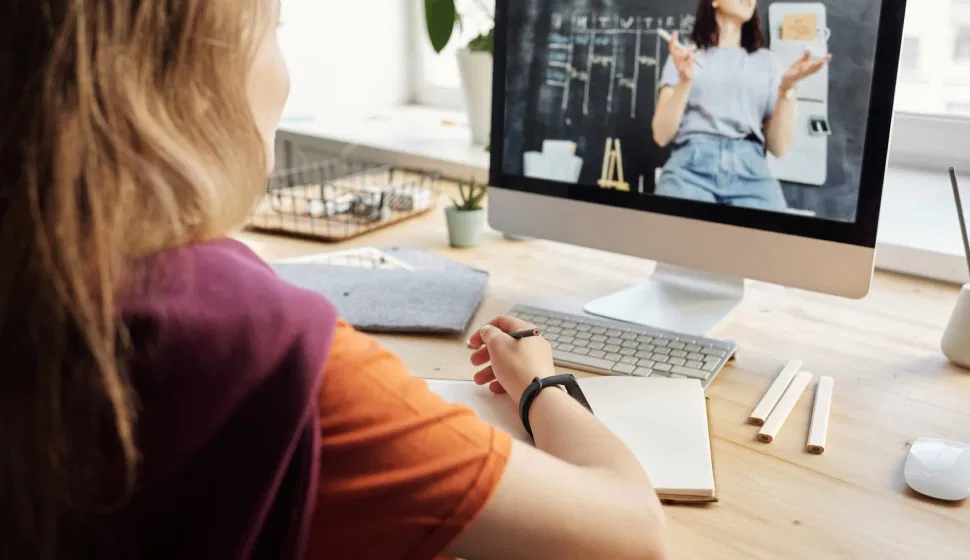
Caption: Choosing between public and private is about balancing cost, flexibility, and personalized support.
Comparing the Costs (The Real Talk)
Let's be honest: budget is usually the first thing families look at.
- Online Public Schools: $0 (usually). Since these are part of the public school system, you generally don't pay tuition. You might have to pay for specific materials, hardware, or extracurricular fees, but the education itself is free. It’s a great option if you want a quality education without the financial burden.
- Online Private Schools: $1,500 to $40,000+ per year. There is a huge range here. Schools like James Madison High School offer very affordable, self-paced options for around $1,600. On the high end, prestige schools like Stanford Online High School can cost closer to $30,000.
For 2026, many private schools have introduced "sliding scale" tuition or more affordable monthly payment plans to stay competitive, making them more accessible than they were a few years ago. If you find a private school you love, don't be afraid to ask about financial aid!
Flexibility: Who Controls the Clock?
If your 2026 goals include traveling, working, or pursuing a passion outside of school, flexibility is your #1 priority.
Public Online Schools often have "synchronous" requirements. This is a fancy way of saying you have to log in at specific times for live classes. While they are more flexible than traditional schools, they still operate on a traditional academic calendar (September to June) and have rigid deadlines for state testing. You are essentially bringing the school building into your home.
Online Private High Schools are the kings of flexibility. Many offer "asynchronous" learning, meaning you can do your work at 2 AM or 2 PM: it doesn’t matter as long as the work gets done. Many private schools also offer year-round enrollment, so you can start your "school year" in February if you want to. This is perfect for students who don't fit the standard 9-to-5 mold.

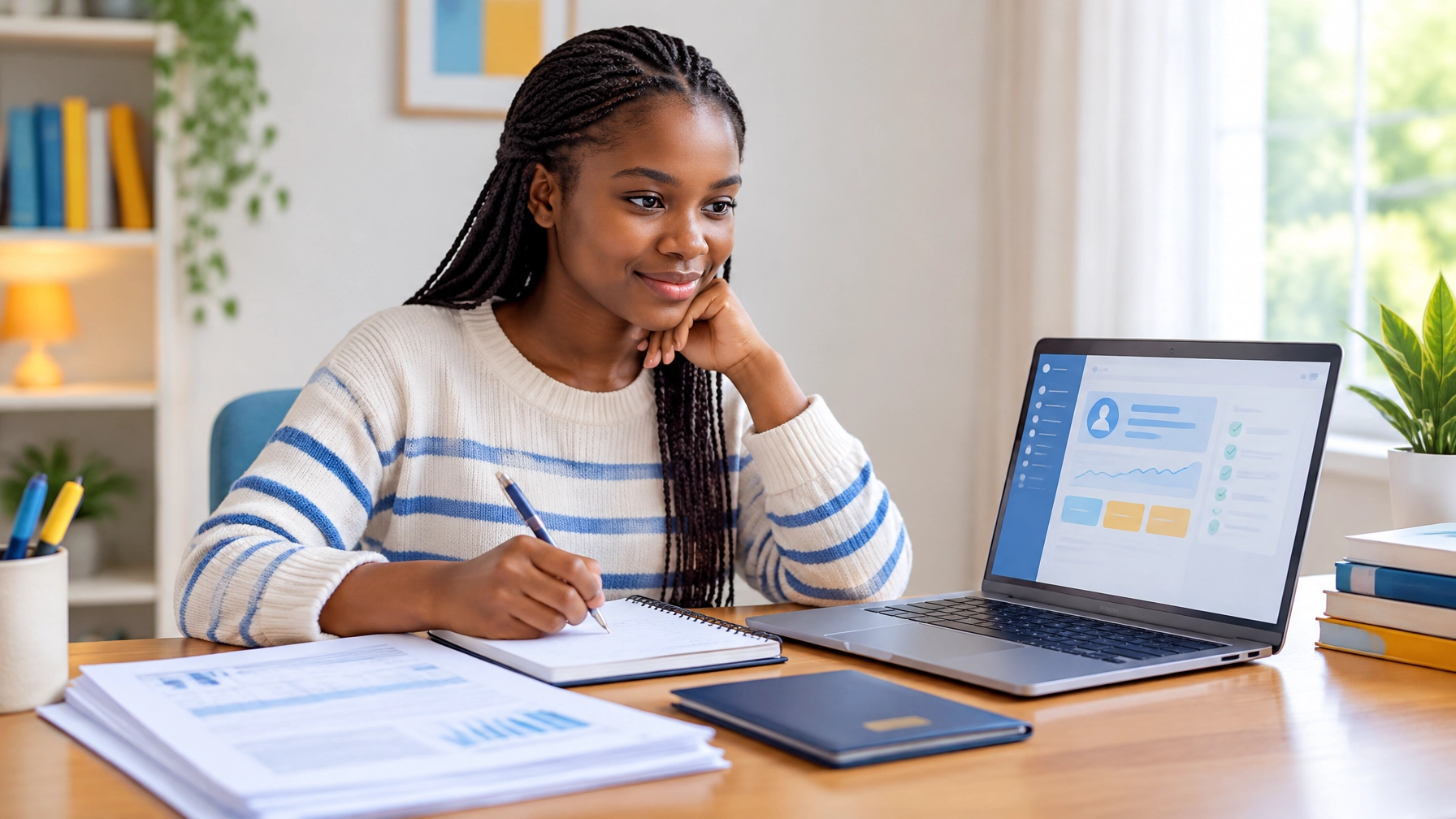
Caption: Online learning allows you to take your classroom anywhere, from a local park to a different country.
Class Sizes and Teacher Support
How much help do you actually need?
In an online public high school, teachers often have very large "caseloads." It's not uncommon for one teacher to be responsible for 150+ students. While they are great teachers, they just don't have the time to sit down with you for an hour every week. You'll likely communicate through email or large group chat sessions.
In an online private high school, class sizes are much smaller: often between 10 and 20 students. This means your teacher actually knows your name, your strengths, and where you're struggling. Schools like Prisma even provide dedicated "learning coaches" whose entire job is to check in on your progress and mental health. This level of personalized attention is often the "secret sauce" that helps students excel.
Curriculum: Standardized vs. Specialized
What do you want to learn?
Public schools have to teach the state-mandated curriculum. This ensures you’re meeting all the requirements for an accredited high school diploma online, but it doesn't leave much room for "out of the box" subjects. You’ll get your Math, English, Science, and Social Studies, but your electives might be limited to what the state has approved.
Private schools can get creative. Because they aren't tied to state mandates in the same way, they can offer cool, niche courses. Want to study Game Design, Marine Biology, Artificial Intelligence, or Entrepreneurship in 2026? A private online accredited high school is much more likely to have those specialized tracks that prepare you for the modern workforce.

Caption: Private online schools often offer specialized tracks in tech, arts, and business to help students reach their specific 2026 career goals.
The Social Factor: Will You Be Lonely?
This is the biggest fear people have about going online. The good news is that by 2026, online schools have figured this out.
- Public schools often have local meetups or "learning centers" where students can hang out in person. They might also allow you to participate in sports or clubs at your local physical high school, keeping you connected to your local community.
- Private schools tend to build "global" communities. You might be in a math class with someone from New York, London, and Tokyo. They use Discord, Slack, and even virtual reality (VR) hangouts to keep kids connected. This provides a diverse perspective that you just can't get in a local public school.
Which One Should You Choose for 2026?
To help you decide, let's look at a few scenarios:
Choice A: The Student Athlete or Performer
If you are training 20+ hours a week for a sport or acting career, an online private high school is likely your best bet. The asynchronous schedule allows you to fit school around your training, not the other way around. You can take your classes while traveling to competitions or sets.
Choice B: The Budget-Conscious Career Builder
If you just need a solid, reliable way to finish your education without breaking the bank, an online public high school is fantastic. You get the same diploma as the kid in the building down the street, and it costs you nothing. It’s a smart financial move if your state has a strong online program.
Choice C: The Ivy League Bound Student
If your goal is a top-tier university, a prestigious private online school like Dwight Global or Laurel Springs can provide the rigorous AP courses and personalized college counseling that can give you an edge in the competitive 2026-2027 application cycle.

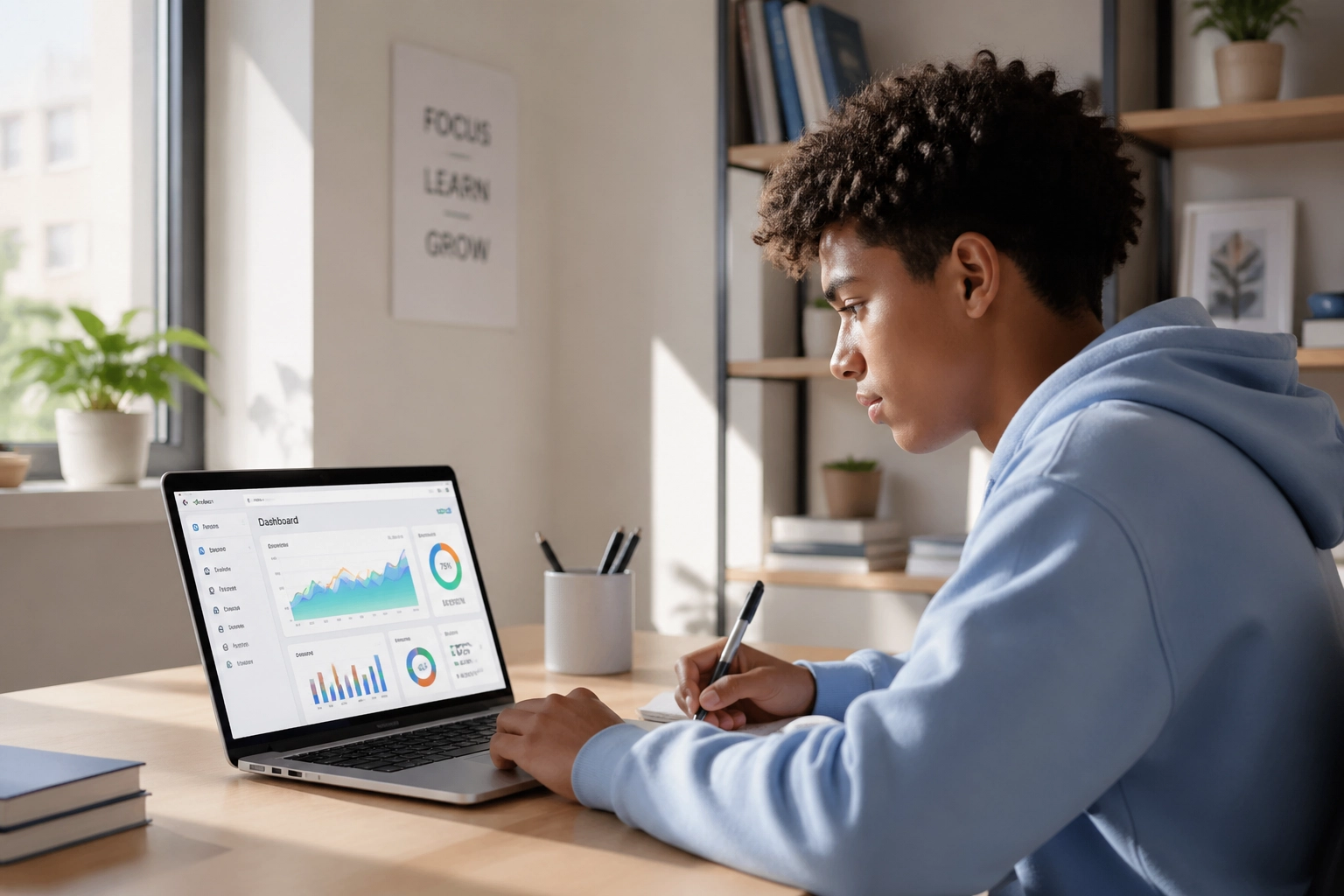
Caption: Your high school choice is the foundation for your future career and college success.
Final Thoughts: Look for the Accreditation
At the end of the day, whether you go public or private, your focus should be on finding an online accredited high school that matches your learning style. Don't be afraid to attend a virtual open house or ask for a demo of their learning platform. Check out reviews on sites like Niche to see what other students are saying.
The world of 2026 moves fast. Your education should move at the same speed. Whether you want the structure of a public program or the boutique experience of a private one, you are in the driver's seat of your own education.
Ready to take the next step? Don't settle for less than an accredited high school diploma online that opens doors for your future. The choice is yours; make it count!
Looking for more advice on navigating the world of online education? Stay tuned to the Educlive blog for the latest tips and trends for 2026 and beyond!