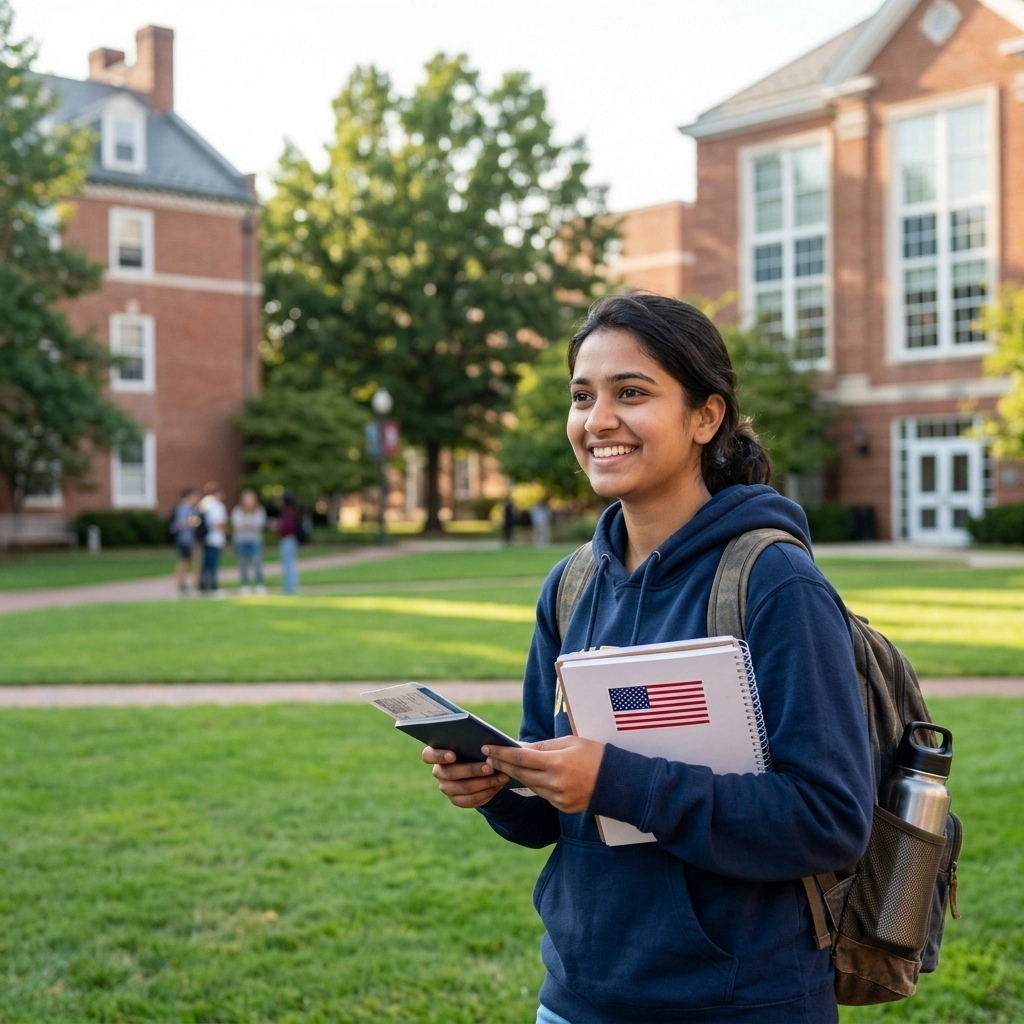
How to Study in USA: A Step-by-Step Guide for Academic Transformation
America/New_York
Navigating the international education landscape requires a structured approach to ensure compliance with institutional standards and federal regulations. For many students, the pursuit of a degree in the United States represents the pinnacle of educational achievement and professional preparation. This article serves as How to Study in USA: A Step-by-Step Guide for Academic Transformation, providing a comprehensive roadmap for international candidates seeking to transition into the American collegiate system.
The process of academic transformation involves more than just a change in location; it necessitates a fundamental shift in one’s educational profile to meet rigorous global standards. By following a methodical plan, students can navigate the complexities of admissions, visa requirements, and cultural integration. Understanding How to Study in USA: A Step-by-Step Guide for Academic Transformation is essential for any learner aiming to maximize their potential in a competitive global market.
Phase 1: Strategic Research and Goal Alignment
Strategic research is the systematic process of gathering and analyzing information about various higher education institutions to determine which best fits a student’s academic and career objectives. This phase is critical because the United States hosts over 4,000 accredited colleges and universities, each with distinct specializations and admission criteria.
Students must begin by defining their specific field of study and identifying the type of degree they wish to pursue, such as an Associate, Bachelor’s, or Master’s degree. Utilizing professional USA university placement resources can help narrow these choices based on academic performance, financial capacity, and geographic preference. It is recommended to create a shortlist of institutions that include "reach" schools, "match" schools, and "safety" schools to ensure a high probability of acceptance.
When conducting this research, students should refer to the How to Study in USA: A Step-by-Step Guide for Academic Transformation to ensure they are looking for institutions that are SEVP-certified (Student and Exchange Visitor Program). Only these institutions are authorized to issue the documentation required for a student visa.

Phase 2: Academic Readiness and Skill Development
Academic readiness refers to the level of preparation a student has achieved in terms of subject-specific knowledge and language proficiency required for university-level coursework. To successfully study in USA, applicants must demonstrate that they possess the foundational skills necessary to thrive in an English-speaking academic environment.
Most institutions require non-native speakers to submit scores from standardized English proficiency tests like the TOEFL or IELTS. Additionally, students may need to take entrance exams such as the SAT or ACT for undergraduate programs, or the GRE or GMAT for graduate studies. Developing these skills early is a core component of How to Study in USA: A Step-by-Step Guide for Academic Transformation.
For those who do not yet meet the standard entry requirements, programs like the WASSCE to U.S. University pathways offer a bridge to academic success. These programs help students align their existing qualifications with American standards, ensuring they are fully prepared for the rigors of a U.S. degree.
Phase 3: Utilizing Credential Evaluation Services
Credential evaluation services are professional assessments that convert international educational qualifications into their U.S. equivalents. This process is mandatory for most international applicants because grading systems and curriculum structures vary significantly across different countries.
An official evaluation ensures that a student’s GPA and degree status are accurately understood by American admissions officers. Without these credential evaluation services, an application may be dismissed due to a lack of clarity regarding the student's prior academic history. It is vital to use agencies that are members of recognized organizations like NACES (National Association of Credential Evaluation Services).
Within the framework of How to Study in USA: A Step-by-Step Guide for Academic Transformation, the evaluation phase acts as the bridge between domestic achievement and international recognition. By obtaining a high-quality evaluation, students can provide objective proof of their academic standing and eligibility for advanced placement.

Phase 4: Navigating USA University Placement
USA university placement is the strategic alignment of a student’s profile with the specific admission requirements and culture of a target institution. Successful placement involves more than just submitting an application; it requires a deep understanding of what individual colleges value in their student body, including extracurricular involvement and leadership potential.
Many students choose to work with educational consultants to streamline this process. These experts provide guidance on writing compelling personal statements, securing strong letters of recommendation, and meeting strict application deadlines. Understanding the nuances of USA university placement can significantly increase the chances of receiving multiple admission offers.
As outlined in How to Study in USA: A Step-by-Step Guide for Academic Transformation, students should review the admission requirements for each school carefully. This includes checking for specific prerequisite courses and minimum test scores that vary by program and department.
Phase 5: The Formal Application Process
The formal application process involves the submission of all required documentation, including transcripts, test scores, essays, and financial statements, through an institution's official portal. Most U.S. universities use the Common Application or a proprietary system to collect student data.
Key components of a successful application include:
- Official Transcripts: Documents provided directly by previous schools.
- Statement of Purpose: An essay explaining the student's motivations and goals.
- Letters of Recommendation: Testimonials from teachers or mentors regarding the student's character and academic ability.
- Application Fees: Non-refundable payments ranging from $50 to $100 per institution.
Adhering to the timeline provided in How to Study in USA: A Step-by-Step Guide for Academic Transformation is essential. Missing a deadline can result in a student having to wait an entire year before they can re-apply. International students are encouraged to apply during the "Early Action" or "Early Decision" rounds if they have a clear first-choice school.

Phase 6: Securing the Student Visa (F-1 or J-1)
A student visa is a legal document issued by the U.S. government that allows a foreign national to enter the country for the purpose of full-time study. Once a student is accepted by an SEVP-certified school, the institution will issue a Form I-20 (for F-1 visas) or DS-2019 (for J-1 visas).
The visa application process involves several critical steps:
- Payment of the SEVIS Fee: A mandatory fee to support the Student and Exchange Visitor Information System.
- Completion of the DS-160 Form: The online non-immigrant visa application.
- Visa Interview: A face-to-face meeting at a U.S. Embassy or Consulate where the applicant must demonstrate their intent to study and their ties to their home country.
- Financial Documentation: Evidence that the student has sufficient funds to cover tuition and living expenses for at least one year.
Securing a visa is often the final hurdle in How to Study in USA: A Step-by-Step Guide for Academic Transformation. Applicants must be prepared to speak clearly about their academic plans and how their chosen program fits into their long-term career trajectory.
Phase 7: Pre-Departure and Arrival Logistics
Pre-departure logistics involve the practical arrangements made before a student leaves their home country, including housing, health insurance, and travel planning. Most universities offer comprehensive orientation programs designed to help international students acclimate to their new environment.
During orientation, students will register for classes, obtain their student ID cards, and learn about campus resources. It is the practical implementation of How to Study in USA: A Step-by-Step Guide for Academic Transformation. Successful integration requires an open mind and a willingness to engage with a diverse community of learners.
Students should also ensure they understand the regulations for maintaining their visa status, such as remaining enrolled in a full course load and reporting any changes of address to the International Student Office.

Summary of the Academic Pathway
The journey to study in USA is a multi-layered process that begins with thorough research and ends with successful campus integration. By following How to Study in USA: A Step-by-Step Guide for Academic Transformation, students can transform their academic potential into tangible success. From utilizing credential evaluation services to mastering USA university placement strategies, each step is designed to build a solid foundation for a future career.
The academic transformation experienced by students who complete this journey is profound. They gain not only a world-class education but also a global perspective that is highly valued in every professional sector. While the process is demanding, the rewards of a U.S. degree are unparalleled in terms of career opportunities and personal growth.
Transforming Your Future with Educlive
At Educlive, we are dedicated to facilitating your academic journey. Whether you need assistance with high school diploma programs or are seeking guidance on university admission, our team is here to support your transformation.
If you are ready to begin your journey and need personalized assistance with How to Study in USA: A Step-by-Step Guide for Academic Transformation, we invite you to explore our services. Contact us today to learn more about how we can help you achieve your educational dreams and navigate the pathway to success in the United States.